Norway is, by one uncomfortable measure, the most unfair country on Earth. Not because it cheats anyone, but because it did something almost no other nation has managed to do: it turned a finite resource into a permanent, compounding fortune, and then handed the ownership of that fortune to its own people instead of a handful of executives or a royal family.
In 1969, geologists confirmed a massive oil field in the North Sea, inside Norwegian waters. It was, at the time, an uncertain windfall for a relatively modest fishing and shipping economy. What happened next is the part most countries never manage to replicate.
The Fund That Belongs to Everyone
Rather than auctioning off drilling rights to foreign companies and pocketing a quick payout, the Norwegian government kept majority control of its petroleum resources. Every krone of state revenue from oil and gas is required by law to flow into a single vehicle: the Government Pension Fund Global, more commonly known as the Oil Fund.
The fund does not sit in a vault. It is invested abroad, deliberately, in more than 7,200 companies worldwide, in real estate, and in fixed-income assets, so that the flood of oil money never overheats Norway’s own economy. As of 2026, the fund’s market value has passed $2 trillion, according to Norges Bank Investment Management, which manages it on behalf of the state.
Divide that figure by Norway’s population of roughly 5.5 million, and the number that emerges is difficult to comprehend for most of the world: close to $390,000 per citizen. Nobody receives a check for that amount. There is no lottery payout, no annual dividend deposited into personal bank accounts. Instead, that wealth works quietly in the background, propping up pensions, hospitals, universities, and the state budget for decades to come.
“The idea of a Norwegian oil fund was conceived in the 1960s, when the government claimed sovereignty over the Norwegian continental shelf,” according to Norges Bank Investment Management. The fund exists to ensure that petroleum wealth benefits both current and future generations, not just the politicians in power today.
A strict fiscal rule limits how much of the fund the government can spend each year, capped at roughly 3 percent of its total value, which is the fund’s estimated long-term real return. The principal is never meant to shrink. It is designed to still be there, and still be growing, long after the oil itself runs dry.
A System Built on Trust, Not Just Oil
Money alone does not explain Norway’s outcomes. The country has ranked among the least corrupt nations on Earth for more than two decades, according to Transparency International. Bribery rarely touches business or politics, and public officials are held to a standard of accountability that keeps money moving through the system rather than disappearing into it.
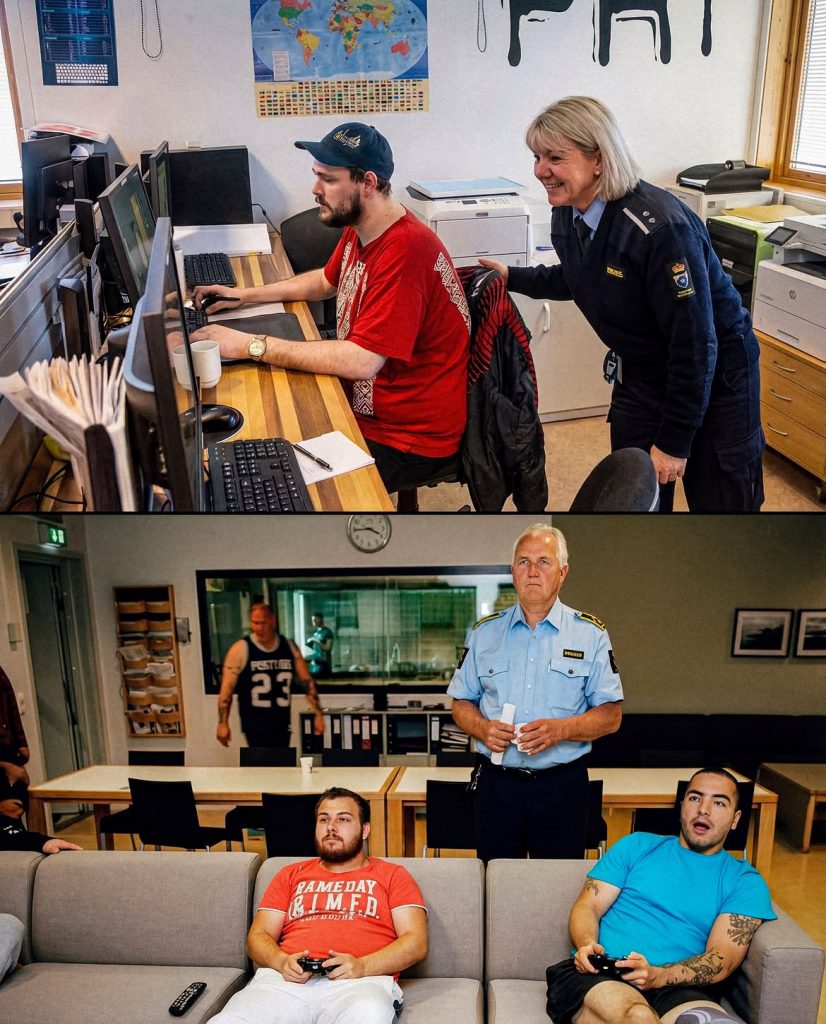
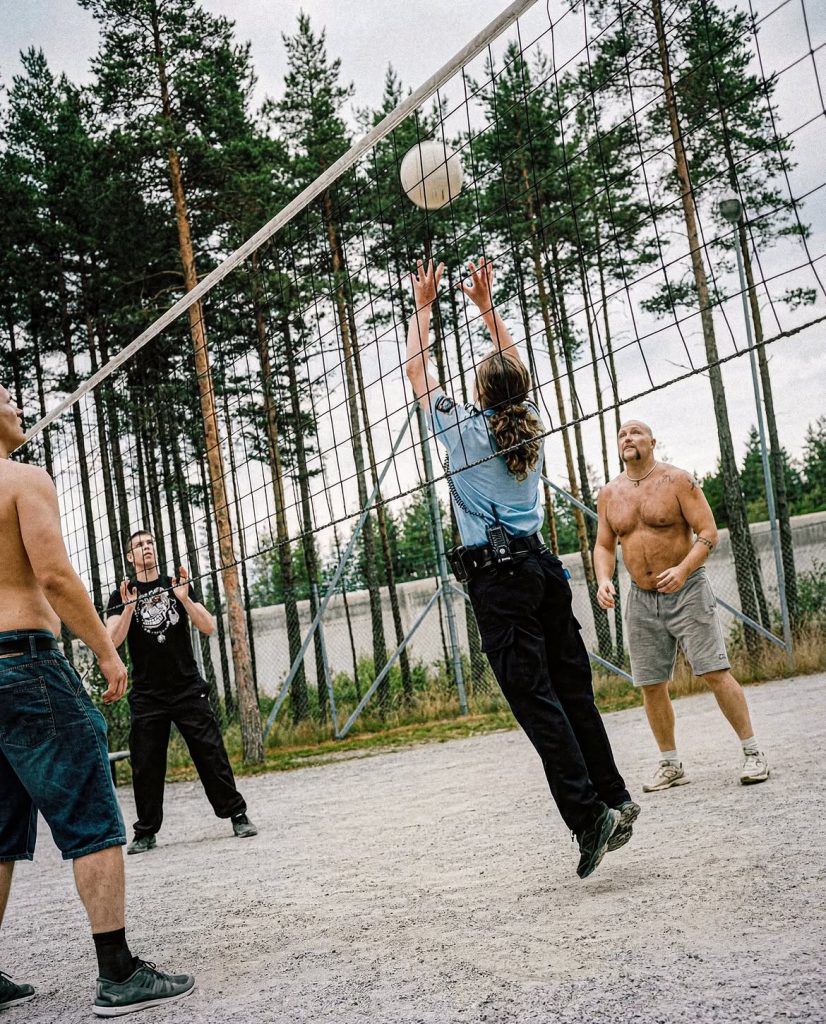
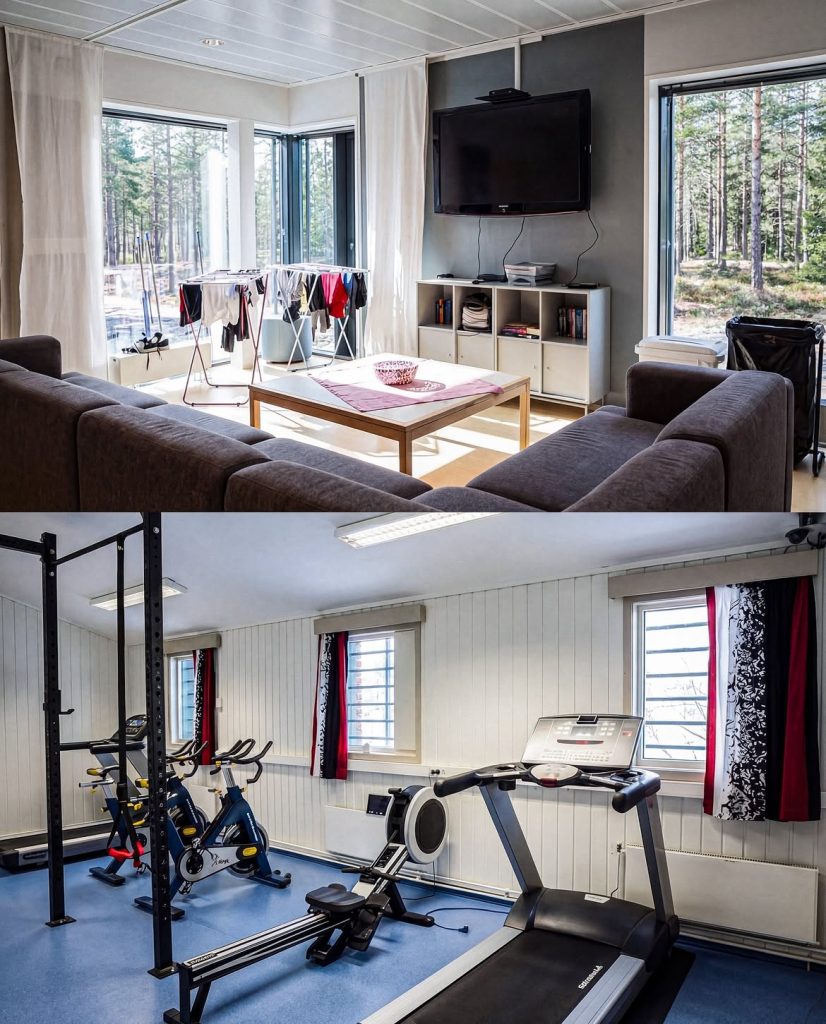
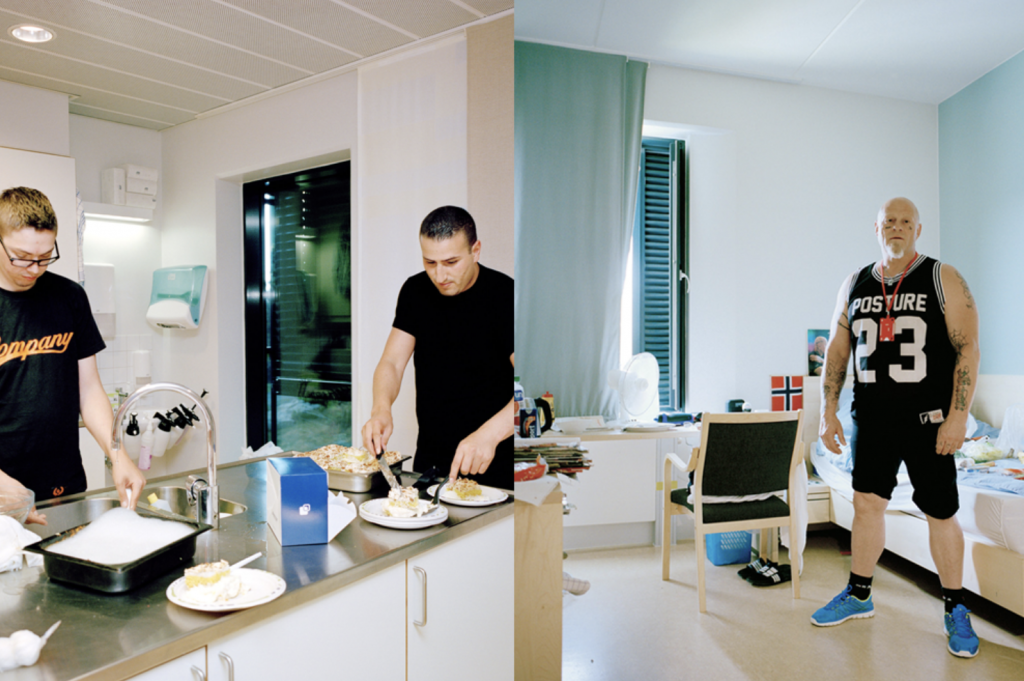
That same philosophy extends into places that would surprise most outsiders. Norwegian prisons emphasize rehabilitation over punishment. Inmates often live in private rooms, cook their own meals, and pursue education while incarcerated. Reoffending rates remain among the lowest in the world, evidence that a gentler system does not have to mean a less effective one.
Education follows the same logic. Public universities in Norway charge no tuition, funded through a combination of oil revenue and some of the highest tax rates in the developed world. A student’s path to becoming a doctor, an engineer, or a researcher is not rationed by their parents’ income.
Even the country’s relationship with nature reflects this quiet, deliberate design. Fjords, forests, and mountains sit within minutes of most Norwegian cities. Hiking after work is not a weekend luxury reserved for vacations; it is closer to a national reflex, woven into ordinary life rather than separated from it.
The Part That Doesn’t Scale
Here is the uncomfortable truth beneath Norway’s success: very little of it can simply be copied. Norway discovered oil in 1969 while it was already a wealthy, well-governed Scandinavian democracy, with strong institutions and a long tradition of social solidarity. The fund did not create Norway’s good governance. It reflected governance that already existed.
A population of 5.5 million people is also, quite simply, easier to govern with consensus and trust than a population of 300 million. Small, homogenous societies build social trust faster than sprawling, diverse ones, and that trust is the invisible infrastructure that makes a fund of this size possible without descending into corruption or mismanagement.
Compare this to the United Kingdom, which discovered oil in the same North Sea, in the same era. Britain sold off drilling rights quickly, funneled the proceeds largely into tax cuts, and built no equivalent long-term fund. Decades later, the UK carries significant public debt and strained public services, while Norway’s fund continues compounding, quietly, every single year.
Norway’s story is not really a story about oil. It is a story about what a country chooses to do with a lucky break, and how that single decision, made more than fifty years ago, is still shaping the lives of citizens who were not even born when the oil was first discovered.