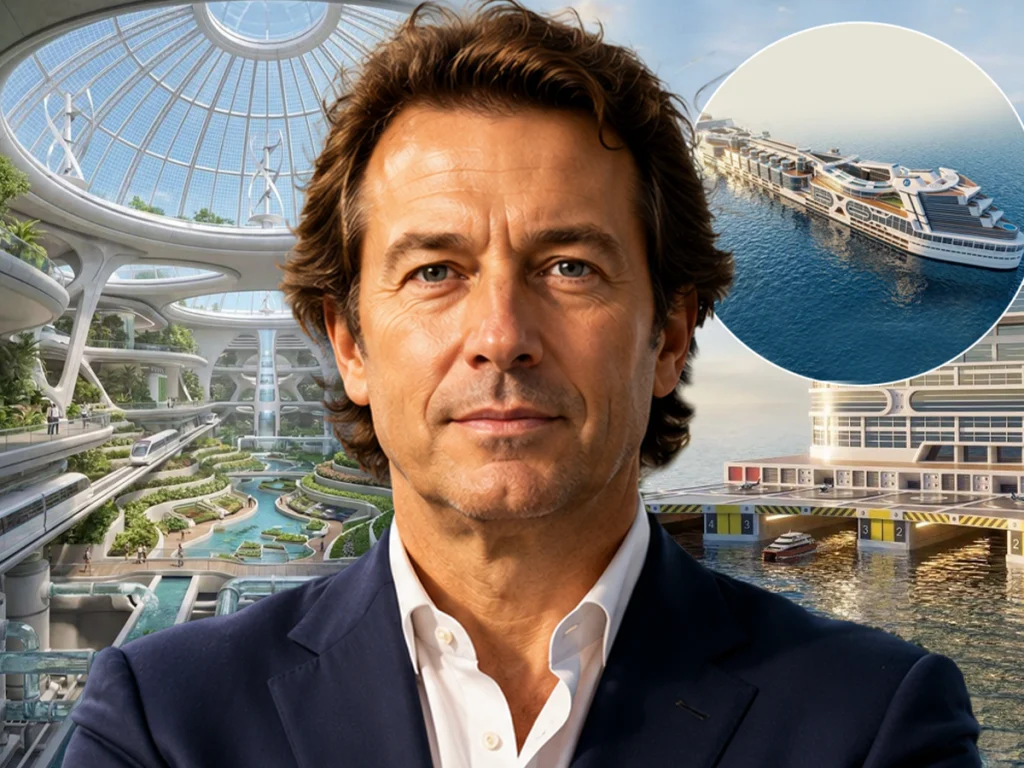
A $16 billion floating city with 80,000 residents, nuclear power, and zero national jurisdiction is back in the headlines. The Freedom Ship has been proposed, shelved, and revived so many times since the 1990s that Newsweek noted the announcement of its “imminent construction” has now run in nearly identical form across three different decades. But in 2026, the team behind it insists this time is different.
What exactly is the Freedom Ship?
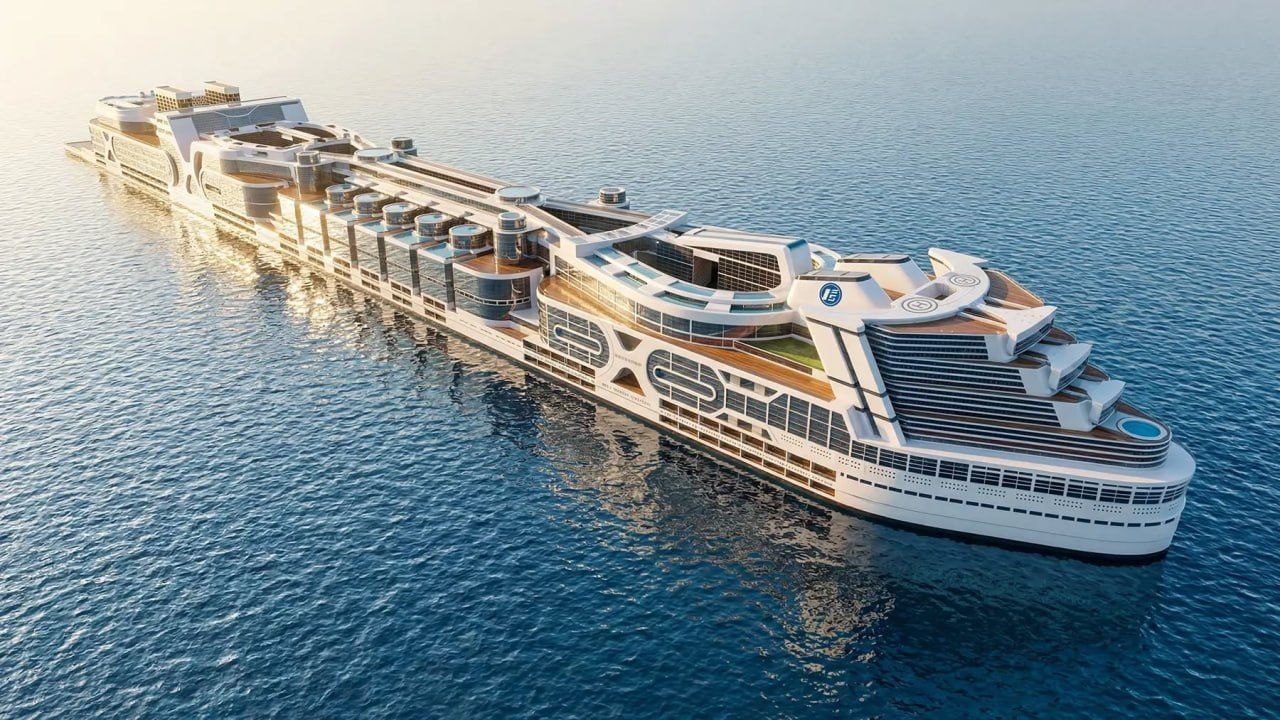
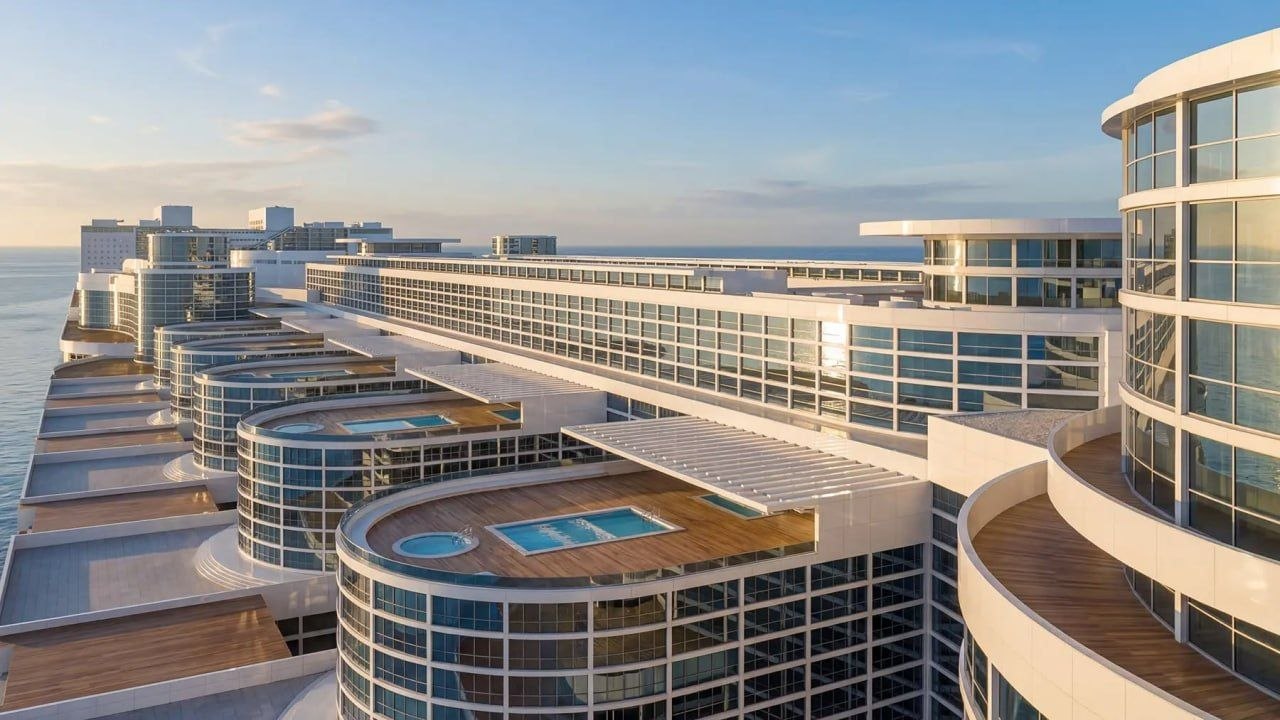
The vessel would stretch nearly 1.8 kilometers in length, span 800 feet in width, and rise 30 decks above the waterline. It would carry 50,000 permanent residents, 10,000 visitors, and 20,000 crew members – making it ten times larger than Royal Caribbean’s Icon of the Seas, currently the world’s biggest cruise ship. On board: schools, parks, a hospital, a casino, a water park, an aquarium, a symphony hall, a convention center, and a 15,000-seat sports stadium. A tram system would connect 15 miles of internal walkways running through three acres of parkland.
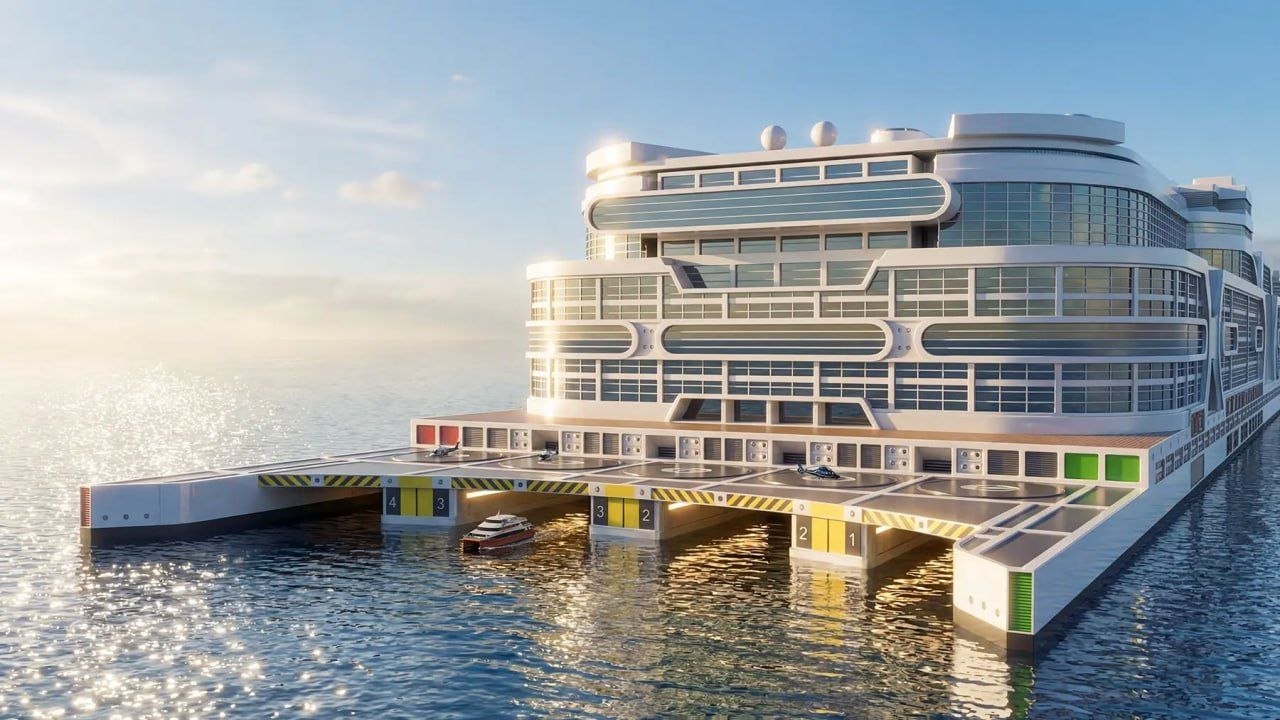
The ship would be powered by molten salt nuclear reactors, capable of running for up to 15 years without refueling. It would travel at seven knots, completing a full circumnavigation every two to two-and-a-half years, never docking anywhere. Residents would reach shore by ferry or helicopter from eight onboard helipads.
Who is building it?
The project is led by Freedom Cruise Line International, headed by CEO Roger Gooch. He has assembled a 12-person leadership team including architect Kevin Schopfer of Schopfer Associates, and Singapore-based project manager Sridev Mookerjea, who brings 30 years of experience in passenger and casino ship management. Construction, if funded, would begin in Indonesia – with the hull built in sections and assembled offshore. Gooch says some residents could move in mid-build, before the ship is even finished.
“We feel very confident that we can put this together, but capitalization is key,” Gooch told The Telegraph.
Who would live there – and why?
The Freedom Ship is designed for people who want to live beyond the reach of any single government. The business model is straightforward: entrepreneurs lease or buy commercial space on board, just as they would in a land-based city. Gooch says demand is so strong he could “almost justify building three ships.”
One detail stands out. The onboard hospital would operate outside the jurisdiction of national regulatory bodies – no FDA, no local health authority, no standard oversight. Gooch confirmed the ship has already attracted interest from medical research facilities for exactly that reason. Whether that reads as innovation or as a red flag depends entirely on your perspective.
The problem that hasn’t changed in 30 years
The original concept was proposed in the late 1990s by American engineer Norman Nixon. He died in 2012 without breaking ground. The blueprints surfaced again in the 2000s, then again in 2013, and now again in 2026. Each time, the story is the same: strong interest, compelling vision, no confirmed funding.
The engineering challenges are equally formidable. A vessel this size has never been built. Nuclear propulsion for civilian maritime use remains largely theoretical outside military applications. The ship would be too large for any existing port, raising complex questions about maintenance, emergencies, and legal jurisdiction in international waters.
Peter Thiel’s Seasteading Institute tried a similar concept – a visa-free floating community for tech workers – and never launched. “Utopia,” the WHY 58X38 motorized island, and dozens of other floating city proposals all made headlines and disappeared. The Freedom Ship shares both the ambition and the track record of all of them.
For now, the Freedom Ship remains what it has always been – one of the most compelling visions in modern architecture, and a dream still waiting for a billionaire willing to write the first check.